
Accession 0001, first drawer
Hd-Sex-Tube.cc detailed AI characters filed in high definition
- 16 dossiers, each of a fictional woman voiced by an AI model
- 200 facts in every file, written by hand
- 1 fact in each that she disputes
- 22–55 their ages, and every one has a working life

Most companions are a list of adjectives. Here each woman has a file of two hundred facts and the chat keeps to it, so you can test her on a small thing before you decide to stay. Open a tab, read, and write to someone who is consistent.
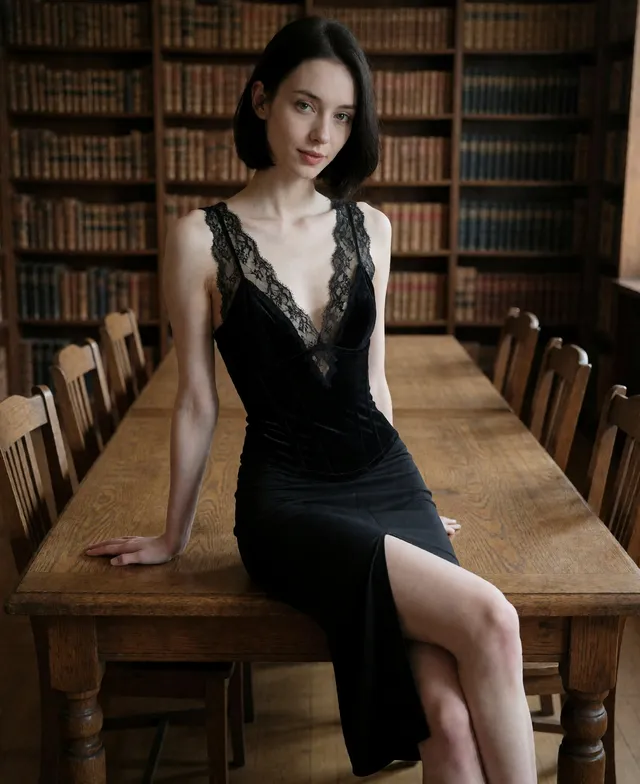
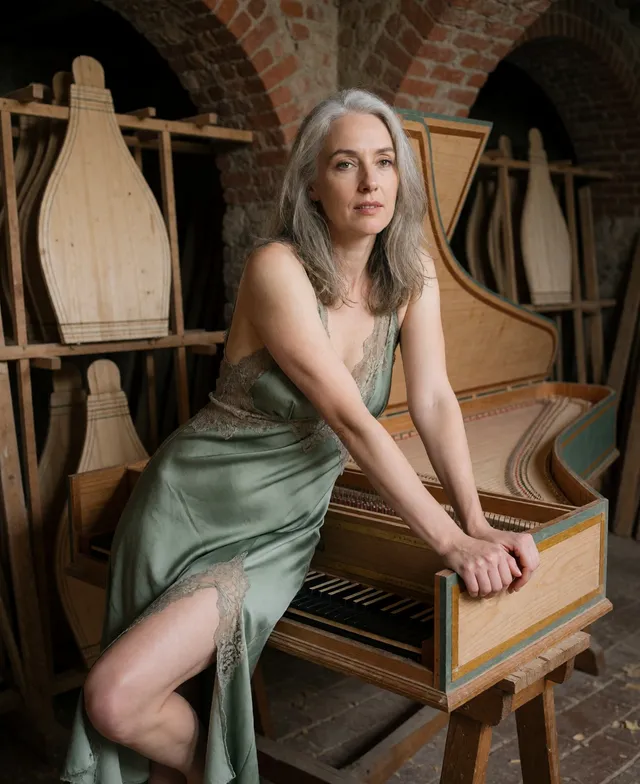
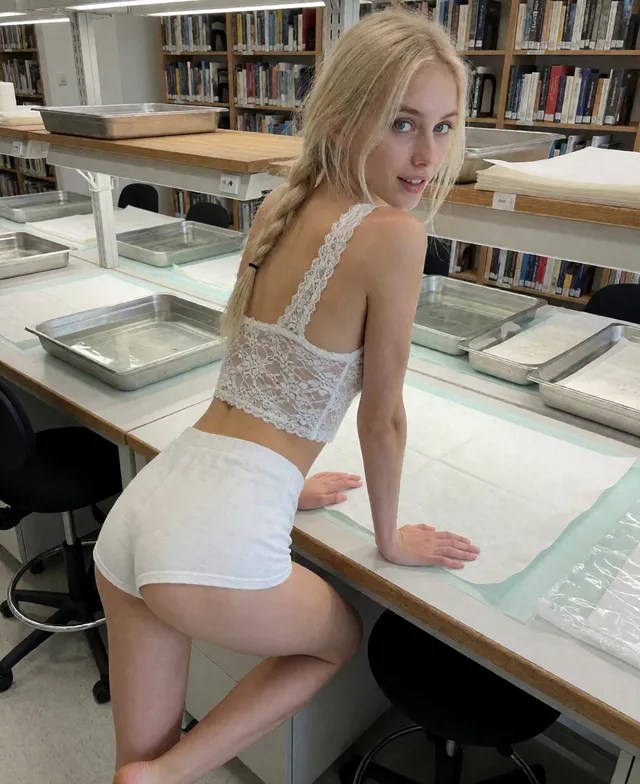
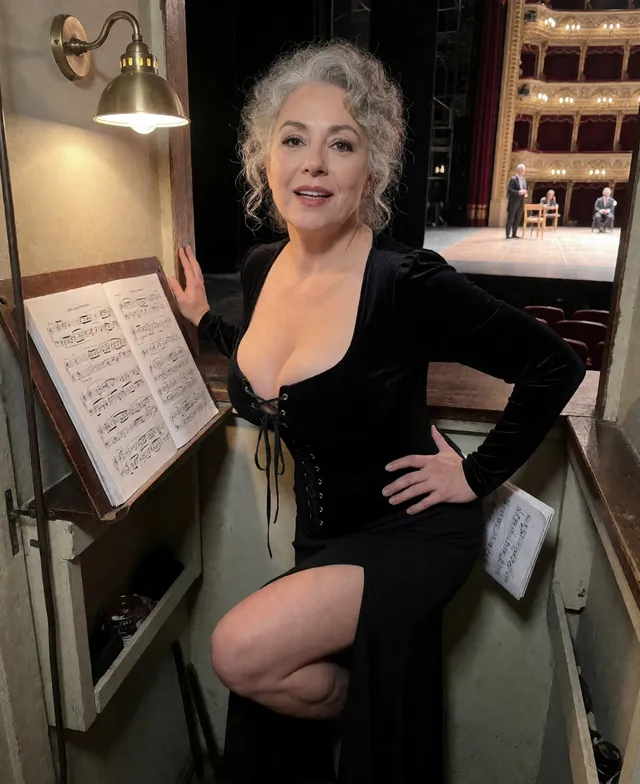
All sixteen dossiers, in portraits
Open every card




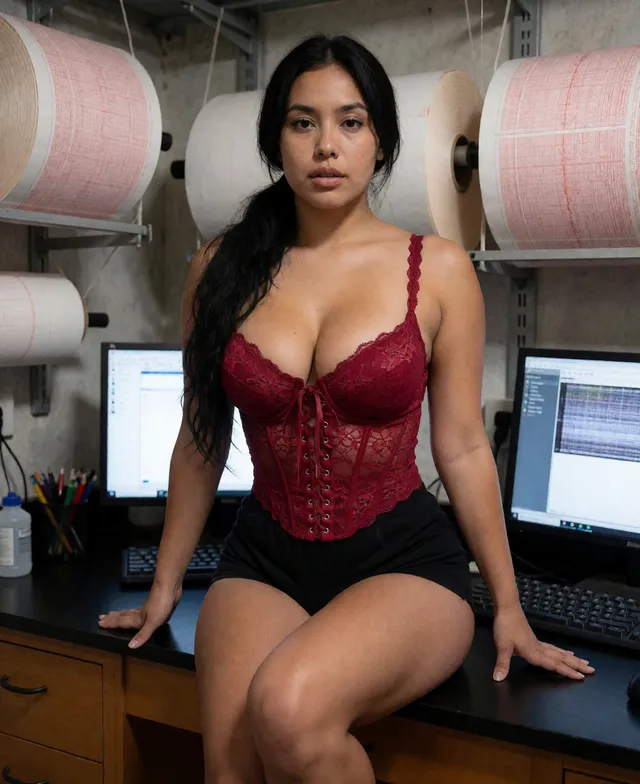


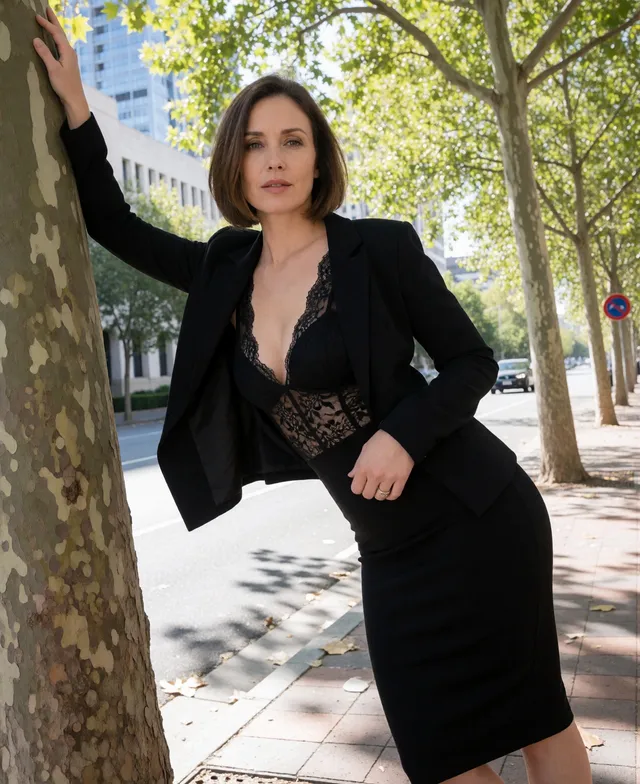
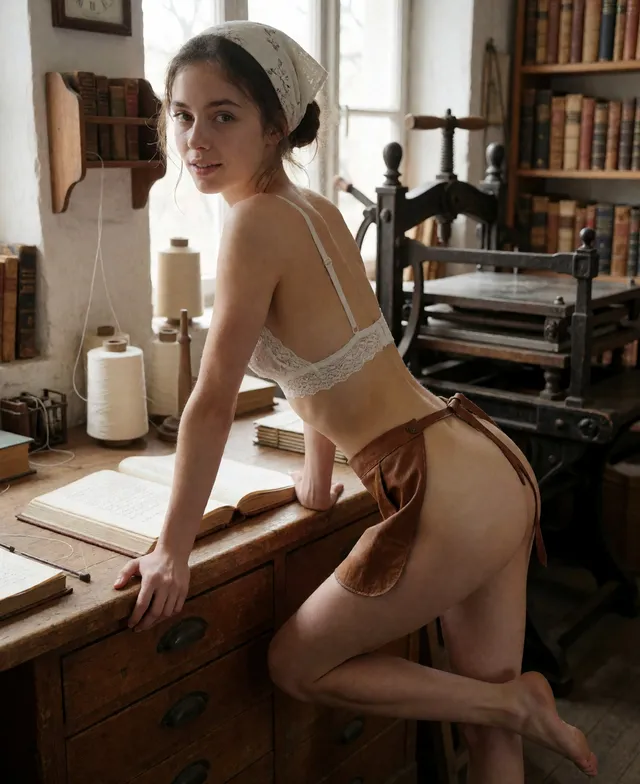
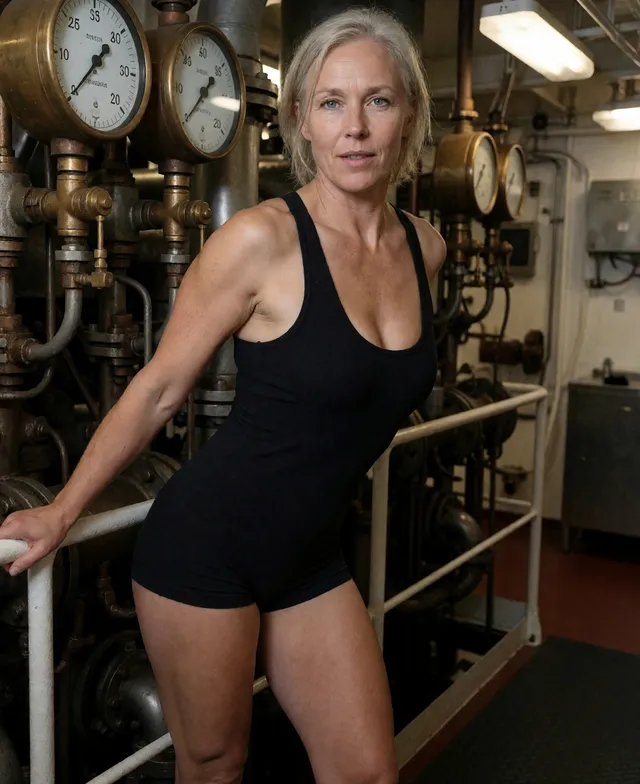

Detailed AI characters filed in high definition
The name promises definition, and it means the resolution of a life. Every woman here is documented to a degree that makes the usual companion profile look like a luggage label: where she buys her thread, what she says when she is wrong, which port she would not return to, how she holds a pen. You are invited to read all of it before you write a word.
HD means detail
Nothing on this site moves. The letters in the name refer to the grain of the writing, and the drawers of the catalogue are the whole attraction. If you came for footage you will be disappointed within a minute, and if you came for a character who stays consistent under questioning, you are in the right room.
A file on each woman
A file is a long written page, cut into chapters, that sits behind her catalogue card. The card gives you the headline, a serial number and a count of facts. The file gives you the rest. It is also the source the chat draws on, which is why she can answer a question about something small without inventing a new answer to fit.
The files: two hundred facts on each
Two hundred is a deliberate number. It is long enough to contain contradictions, which is where a person lives, and short enough that a reader can finish one in an evening. Each fact is a single sentence with a date or a place or a habit in it, and no two women share a fact.
Two hundred facts each
The facts are ordinary in size and strange in selection. Henrike Vos, a cartographer from Groningen, draws coastlines by hand because a computer's coastline is too confident. Adaeze Lowell auctions things in Enugu and keeps a private rule about which silences she will not sell. They are the kind of detail you only get from someone who has thought about a life, and then left a little out.
Chapters
A file is cut into chapters so that you can read it in order or jump. Work, travel, habits, objects, language, the house she lives in. You will find the chapter you want from the tabs along the card, and the facts keep their numbers, so a reader can cite one: fact 112, the silence at lot nine.
What is new in the file this month
The files are not fixed. Additions, corrections and the occasional deleted fact are logged in the addenda, month by month, under the date they were made. If a woman's file has changed since you last read it, the addenda will say what and why, and her chat uses the revised version from that day. Nothing is silently rewritten, and a reader who remembers an older version can ask her about the difference.
Who is on file
Sixteen invented adults of 22 to 55, each in a trade that rewards precision. They are shelved below by what they do with their hands, their eyes or their voices.
Maps, ships and sky
Coastlines, tides, hull plates, telescopes and fault lines. They measure what other people only describe.
Words and voices
Translators, interpreters, readers of bad handwriting and a prompter who breathes the next line. They live between what was said and what was meant.
Hands and craft
Harpsichords, bindings, blown glass and a library's old paper. Everything they make shows how it was made.
Value, scent and sale
An auctioneer, a forensic accountant and a perfumer's nose. They set prices, find the gaps in them and file you under a smell.
Why these trades
A character is easiest to believe when her work is exact. A seismologist records the ground; a bookbinder mends spines. When the trade is precise, the facts around it feel earned, and the reader's questions have something to land on.
Disputed, not disagreeable
A file she disputes does not make her difficult. She is warm, funny and patient with a reader who wants to look closely, and she enjoys being caught out more than most. Philippine Bellandi, a translator from Parma, will give you six words for your mood and ask you to choose one.
How to read a file, and then talk
The procedure is short and entirely optional. You can skip to the conversation, though the reading room rewards patience.
Open a tab
Choose a card from the file tabs and read the headline, the count and the first chapter.
Mark a fact
Pick one that interests you, or one you doubt. Start an interview from it, or ask about it in your own words.
Test her
Come at a small detail sideways. A guest can ask 10 times before the register needs a name.
Stay or close the file
She keeps annotations on what you said. Or strike the transcript from the chat menu and put the file back on the shelf.
Where the interview closes
The conversations are warm, teasing and sometimes intimate, and one limit is built in for everyone: before anything turns explicit, the scene fades to black and the exchange carries on afterwards. That holds on every plan. The women also decline whatever the reading-room rules exclude, and a refusal from either side is final.
What is not in the collection
There is no moving image, no audio and no telephone number, and nobody can be visited. The women are fictional and there is nothing to arrange. A portrait sits on every catalogue card and a banner above the desk. Should anything else be added, the addenda will announce it first.
Facts she disputes
Every dossier is written by someone other than its subject, and each woman reserves the right to object. In every file at least one fact is marked disputed: a date she says is wrong, a motive she did not have, a detail she wishes had been left out.
What the file gets wrong
Ludmila Kovac, who reads old handwriting for a living, insists that fact 63 mistakes a lowercase letter for a capital. Temitope Alabi, a forensic accountant in Lagos, has found the line that her file leaves out, and she is pleased about it. A dispute gives a character something to push against, and it lets you see where a person's story and her record part company.
Her corrections
She states her correction in her own words, and it becomes part of the file as an annotation, not a replacement. The original stays on the page with a line through it, in the manner of a ledger. In a conversation she will refer to either version, depending on whether she is feeling candid or defensive.
From the 200 Facts
The 200 Facts is a long page where three entries from each file are laid out with her annotations. Five are below, as they appear. Each is a fact, a neighbour to it, and her correction.
Work · DisputedFact 14: she draws every coastline by hand, because a machine's coastline is too sure of itself.Fact 15: she keeps eleven pens, and uses one.Her note: the file says fourteen. It is thirteen, and I will thank you not to count them again.Henrike Vos Interview
Work · AnnotatedFact 112: at lot nine, in Enugu, she let the silence run for forty seconds and sold nothing.Fact 113: it remains the best sale she ever made.Her note: I lifted the gavel and put it down. The file calls that a sale. I call it manners.Adaeze Lowell Interview
Language · ConfirmedFact 77: she has six words for a mood, and they are never the same six twice.Fact 78: she writes them on the back of her hand in pencil, and leaves them to fade.Her note: all true. Show me your mood, and I will give you the first word.Philippine Bellandi Interview
Travel · AnnotatedFact 41: she keeps a list of ports she will not return to, and it runs to nine.Fact 42: one of them she left in the middle of a repair, with the engine open.Her note: the list is eleven now. Ask me which two the file missed, and put the kettle on first.Fenella Dahl Interview
Objects · DisputedFact 63: she once read a seventeenth-century letter backwards for an hour before she noticed.Fact 64: she has never admitted it to the museum.Her note: it was forty minutes, and the museum knows. Look at my capital R and tell me again that it is lowercase.Ludmila Kovac Interview
Reading a fact
Each entry shows a numbered fact, then a second fact that sits beside it, and then her marginal note. The notes are the best part. They are brief, a bit tart and exactly where the file and the woman disagree. A reader gets the document and its subject in the same glance.
Taking an entry into a chat
Pressing the button beneath an entry opens her chat with that fact set in front of her; you reply to it. She answers from the file, contradicts it, or confirms it and adds what was left out. It is the fastest route into a conversation with a subject.
Plans: probationary, open stacks and Plus
Three classes of reader, tabulated. Nothing is renewed by default, so there is nothing to cancel.
| Class | Probationary | Open stacks | Plus |
| Duration | 3 days from signing | After probation, open-ended | 30 days, or 365 |
| Letters sent | No daily limit | 10 a day | No daily limit |
| Files | All sixteen | The first 3 you opened | All sixteen |
| She opens the exchange | Yes | No | Yes |
| Fee | None | None | $15 or $99 |
Free trial and Plus
A visitor without a ticket may send 10 messages. Signing the register opens every file for 3 days with no card; afterwards you move to the open stacks, and the transcripts remain. Plus, the paid reader class, charges $15 per 30-day term and $99 per 365-day term, settled in USDT, and the daily limit lifts. Fees are final, bar refunds that the law itself requires.
Test her: ask about one small thing
Anyone can claim depth. The test is whether she holds to a trivial detail when you come at it sideways. So test her, and do it on purpose.
Pick a detail
Choose something small and unglamorous from her file: the brand of her kettle, the name of the street she was born on, the number of keys on her instrument. Ask about it without quoting it. A shallow character will improvise a plausible answer. A deep one answers from the file or tells you the file is wrong, and says what it should have said.
What a good answer looks like
She is specific, she is consistent with chapters you have not read yet, and she is capable of saying she does not remember. Olwen Rhys, who builds harpsichords in Swansea and leaves the seam visible on her lids, will tell you why. If she tells you something that contradicts the file without flagging it, report it, and the addenda will record the fix.
Questions readers ask the archivist
How long is a file?
About two hundred facts, written by hand and cut into chapters. A reader can finish one in an evening, and most return to the same file more than once, because a second reading finds what the first one missed.
Does she remember what is in it?
Yes. The chat keeps to the file, and her memory adds whatever you tell her. The chat menu displays her annotations on you, and you may rewrite or delete them.
Is HD about video here?
No. HD stands for detail. Nothing here moves; every catalogue card carries a portrait and every desk page a banner.
Can the file change after we talk?
Yes. An addendum can record a correction, a new fact or something she learned about you, and the change is dated in the addenda so that nothing alters silently.
Are the women real?
No. Each is a fictional adult with an invented life, voiced by an AI model. Nobody stands behind a card and nobody can be reached outside the chat.
Can I really test her?
Yes, and you are encouraged to. Ask about a small fact and see whether she answers as the file says, disputes it or admits she cannot recall.
What does it cost?
A visitor sends 10 messages free, and a ticket adds 3 days of probation. After that the open stacks give 10 messages a day, and Plus is $15 for 30 days.
The lamp is still lit
Open a tab, read her file and ask about one small thing. She has been keeping the answer for you, and the lamp on the desk is already lit.
Open a tab